Air quality monitoring for care homes
Know when a resident's room is too stuffy, too warm or too damp.
Sensors check each room every 15 seconds. You get an alert when a room needs attention, and a clear report each month.
Installed and set up in person. Now taking pilot sites.

- Installed and supported in the UK
- No cameras or microphones
- Genuine Sensirion CO₂ sensors
- Alerts within minutes
A typical day
Problems you can't see, caught as they happen
The lounge fills up at lunch. CO₂ passes 1,500 ppm, the manager gets an email, someone opens a window, and the room is fresh again 25 minutes later.
What you get
Alerts, reports and a dashboard
-
Alerts that say what to do
An email when a room is too stuffy, warm, cold or damp, and another when it's back to normal.
-
A monthly report
What went well, what didn't and what to change. Useful evidence for CQC inspections.
-
A secure dashboard
Live readings on your phone or computer. Sign in with your email, no passwords.
-
One person to deal with
I install every sensor, check the data weekly and answer your emails myself.
Room 12 has been above 27 °C for 30 minutes
- Where
- Room 12, first floor
- Started
- 14:05
- Now
- 27.8 °C
What to do: close the blinds, turn the radiator down and offer the resident a drink.
Why it matters
Residents can't always tell you
Many residents can't open a window or say they're uncomfortable. Measuring fills that gap.

Stale air
Lounges fill up after meals and visits. Poor ventilation causes drowsiness and helps infections spread.
Alert above 1,500 ppm CO₂.
Heat and cold
Older people are more at risk from overheating and cold rooms. Sunny rooms can run several degrees warmer.
Alert outside the range you set.
Damp and mould
Mould is costly to remove and harmful to residents with breathing problems.
Alert above 70% humidity for an hour.
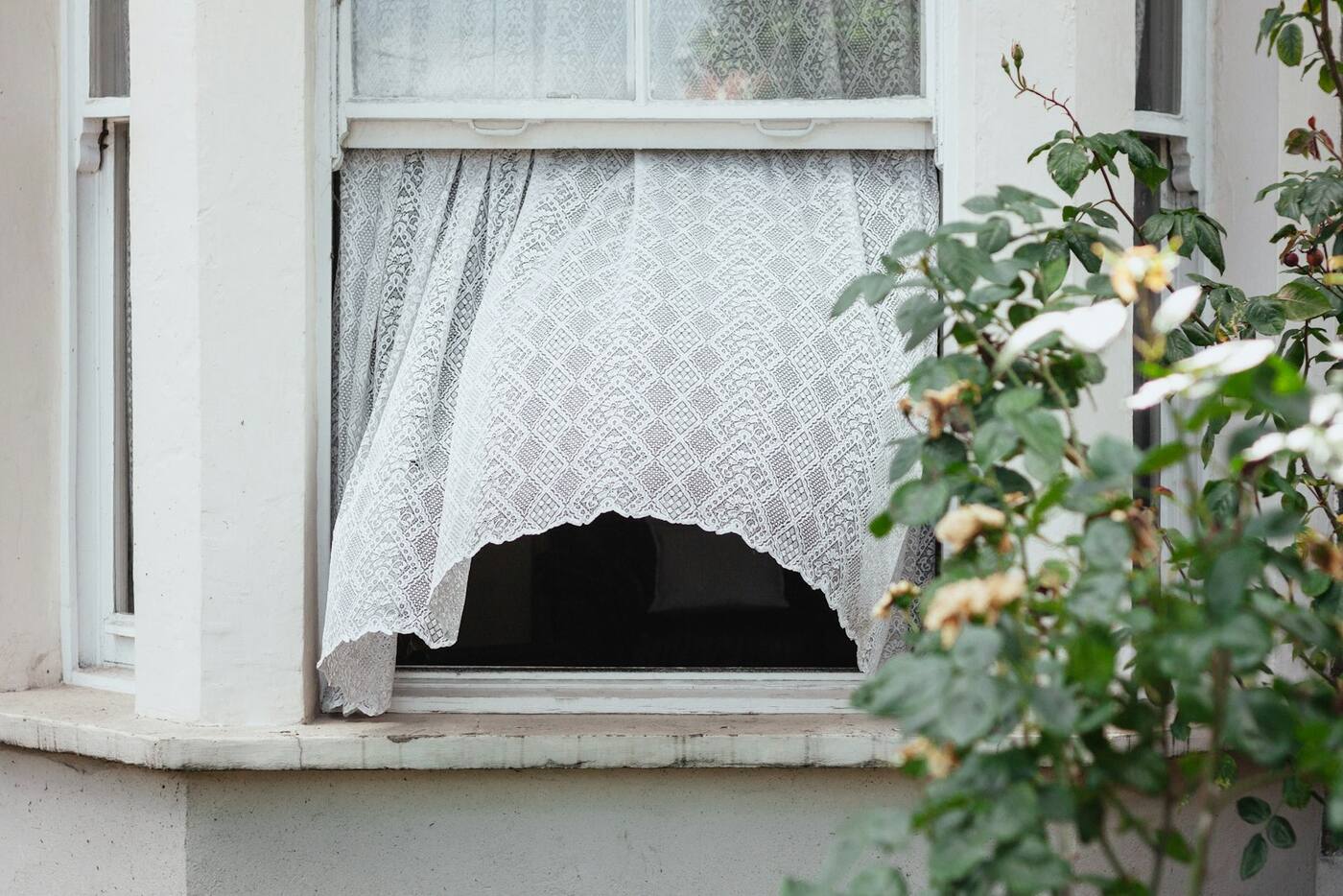
Most of the time, the fix is simple: open a window at the right moment. The hard part is knowing when.
How it works
Up and running in a day
-
Site visit
We agree which rooms to monitor.
-
Installation
Small sensors plug into normal sockets and use your Wi-Fi. No wiring.
-
Alerts and reports
Alerts start straight away. Reports arrive monthly.
Tested on a real room first
A week-long trial in a bedroom that felt fine. Humidity never dropped below 71.9%, well into mould territory.
The sensors
What we measure
| Measurement | What it tells you |
|---|---|
| CO₂ | How well a room is ventilated |
| Temperature | Too hot or too cold |
| Humidity | Damp and mould risk |
| Presence | Whether the room is in use |
| Light | Lights left on in empty rooms |
No cameras. No microphones. No personal data.
The sensors measure the room, not the people in it.
Common questions
Who can see the data?
You, the people you choose, and me for your reports. It is never sold or shared.
What if the internet goes down?
The hub keeps recording and catches up when the connection returns.
Can we try it first?
Yes. A pilot covers a few rooms for a fixed period. If it isn't useful, I remove everything.
Is it only for care homes?
No. It also works in schools, offices and rented homes.
About
Who you'll be working with
I'm Max Forman, an engineer and University of Bristol graduate. I install, monitor and support every system myself.
Get in touch
Book a free site visit
Tell me about your building and I'll reply within two working days.
Or email max@envirosense-monitoring.co.uk